
Power up Iowa
Power Up Iowa is a statewide coalition of renewable energy supporters advocating for local, state and federal policies that bring wind energy investment into Iowa. By harnessing the power of wind and solar energy, we’re creating a better, cleaner future for Iowa.
By joining Power Up Iowa, you’ll be able to drive support for the clean, reliable and affordable energy that will power Iowa’s future.
Get the facts, learn more our wind’s impact on our economy, and join Power Up Iowa today!





Supporting winds of change
By educating, raising awareness, and participating in conversations with our state’s leaders, Power Up Iowa will help make the case for renewable energy investment to revive and drive our local economies.
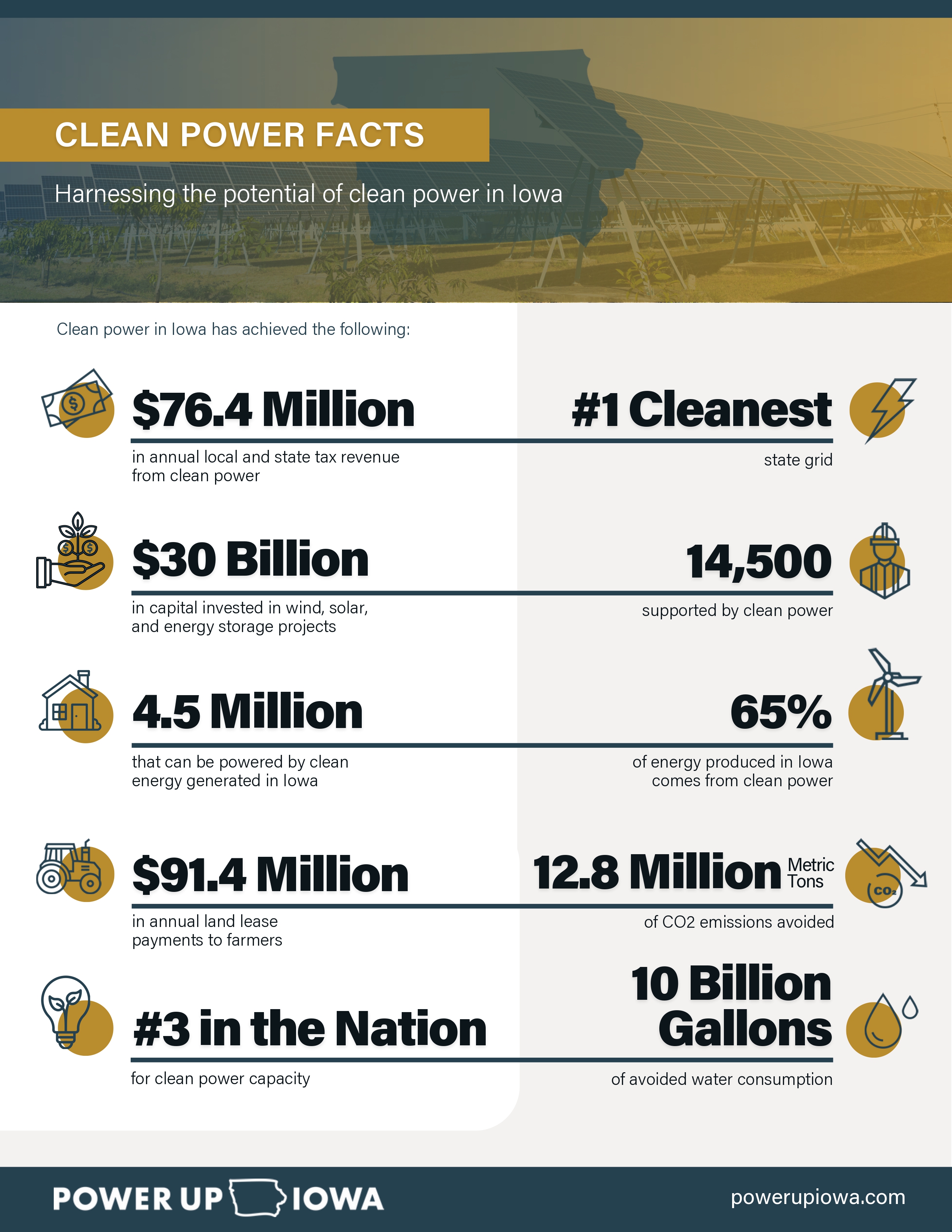
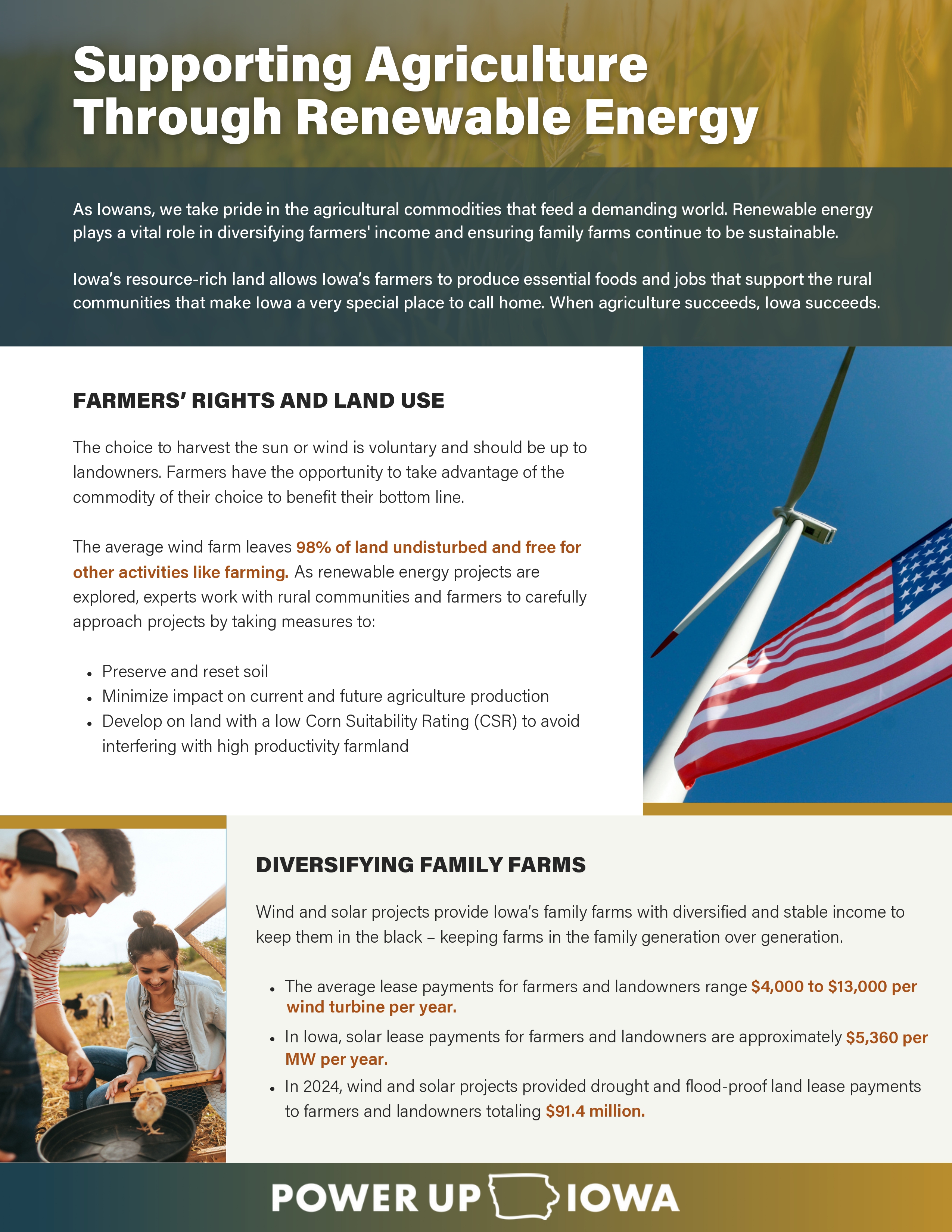
Iowa has long been one of America’s wind energy leaders. Today, Iowans can be proud to say that our state ranks first in the nation in percentage of electricity generated by wind. Our commitment to wind has meant new jobs, a bigger tax base, stable revenue for farmers, and unmatched investment in our rural communities.
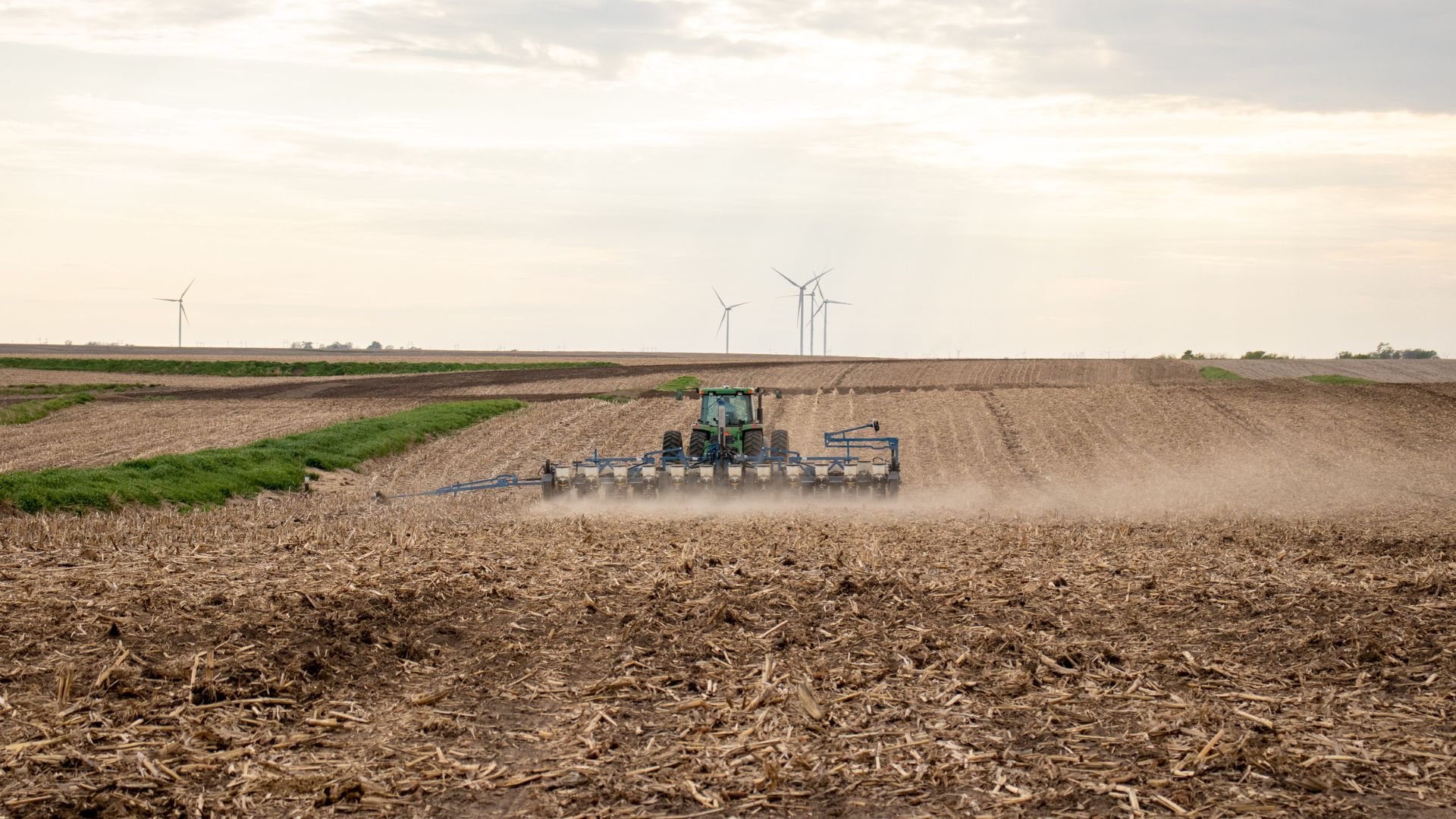
Iowa’s Renewable Energy Impact
By educating, raising awareness, and participating in conversations with our state’s leaders, Power Up Iowa will help make the case for renewable energy investment to revive and drive our local economies.
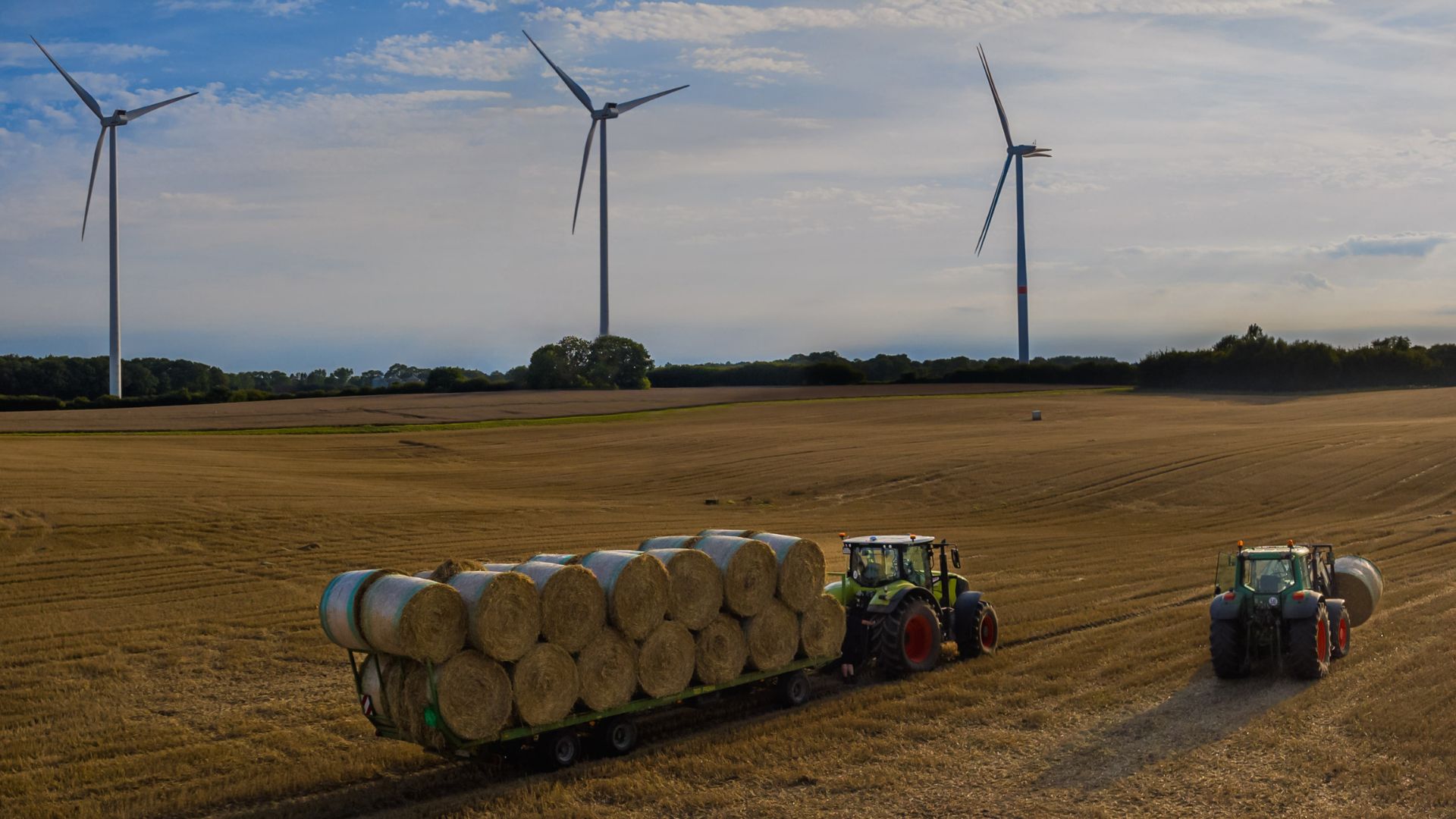
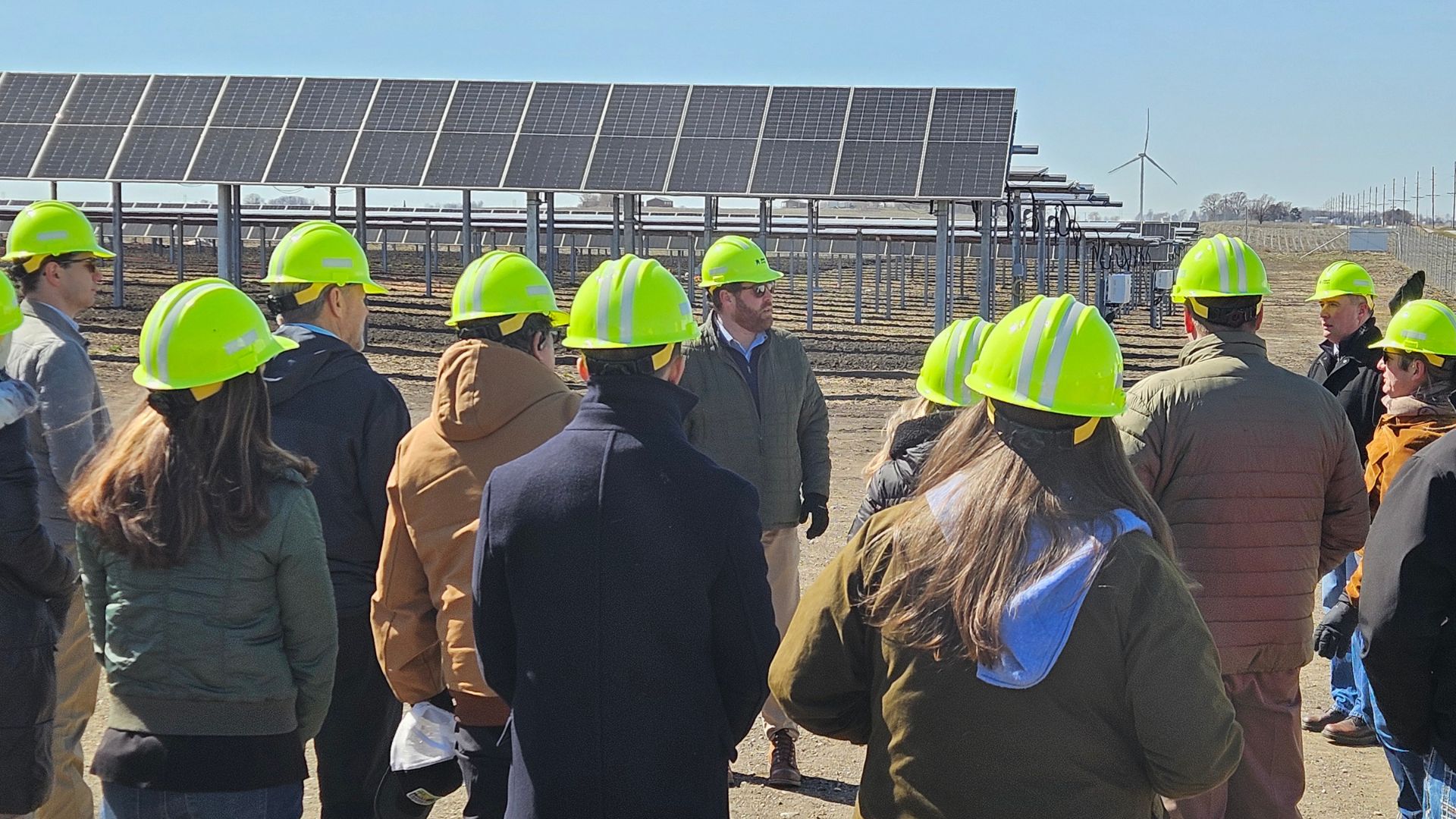
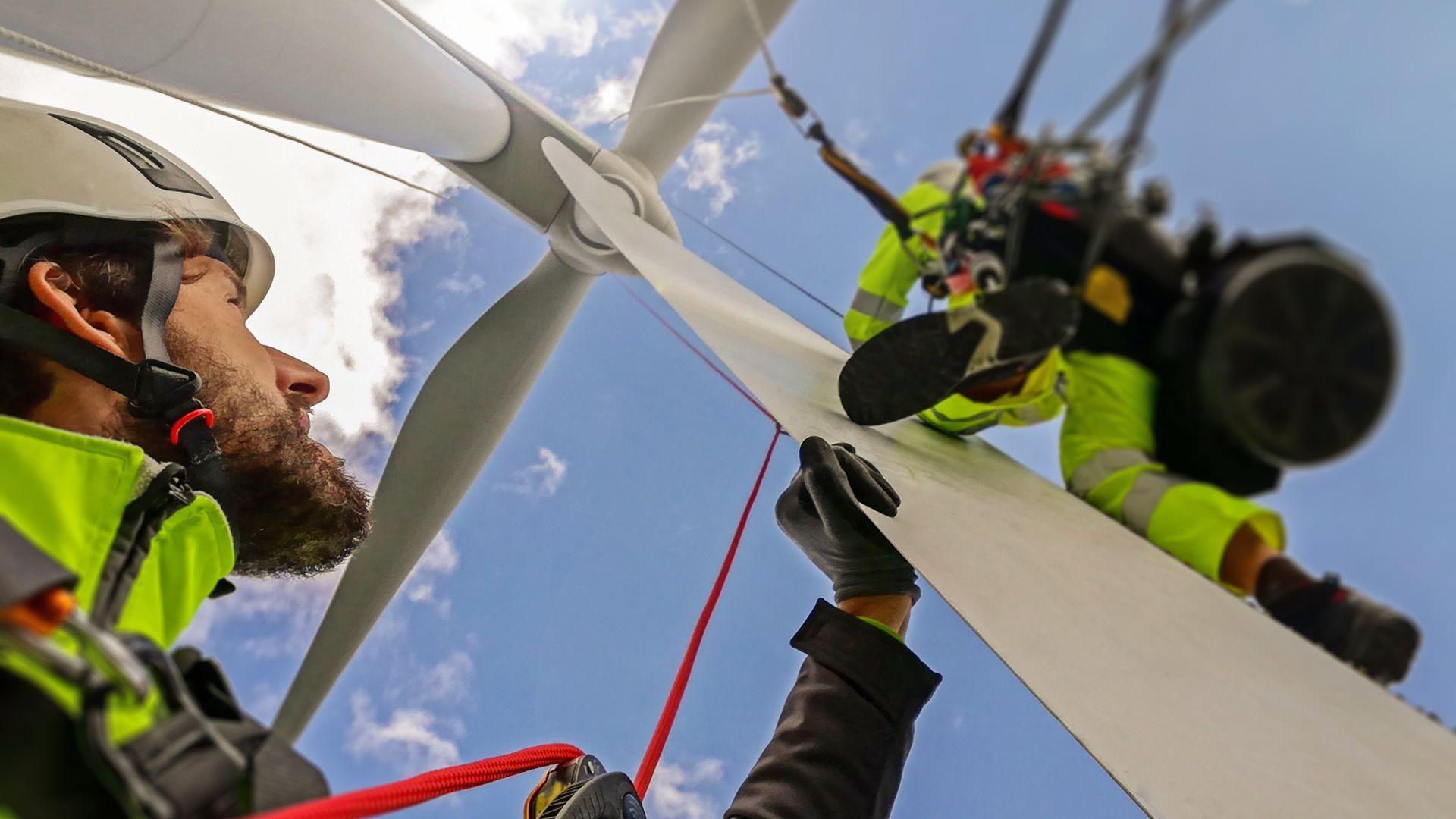
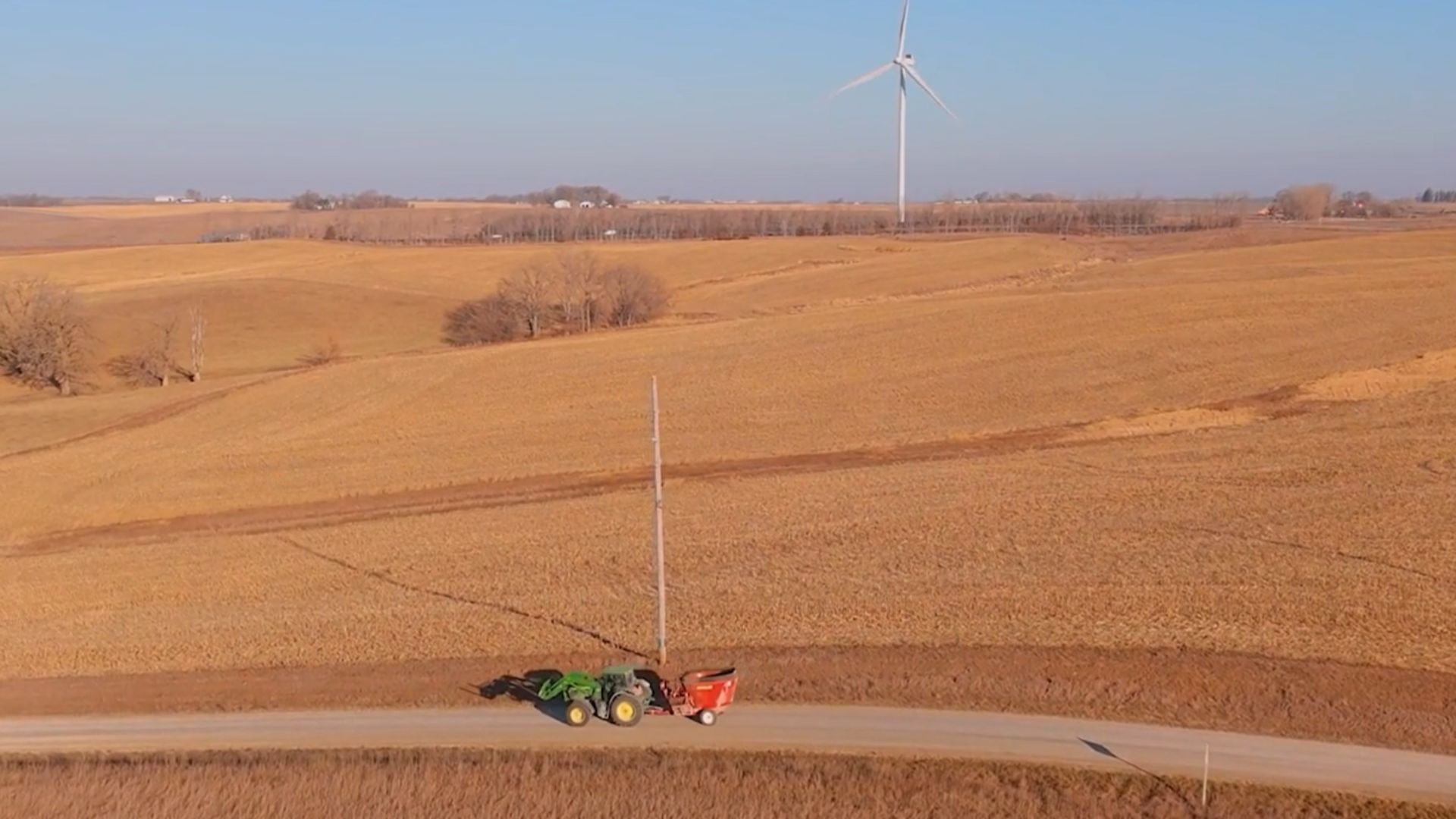
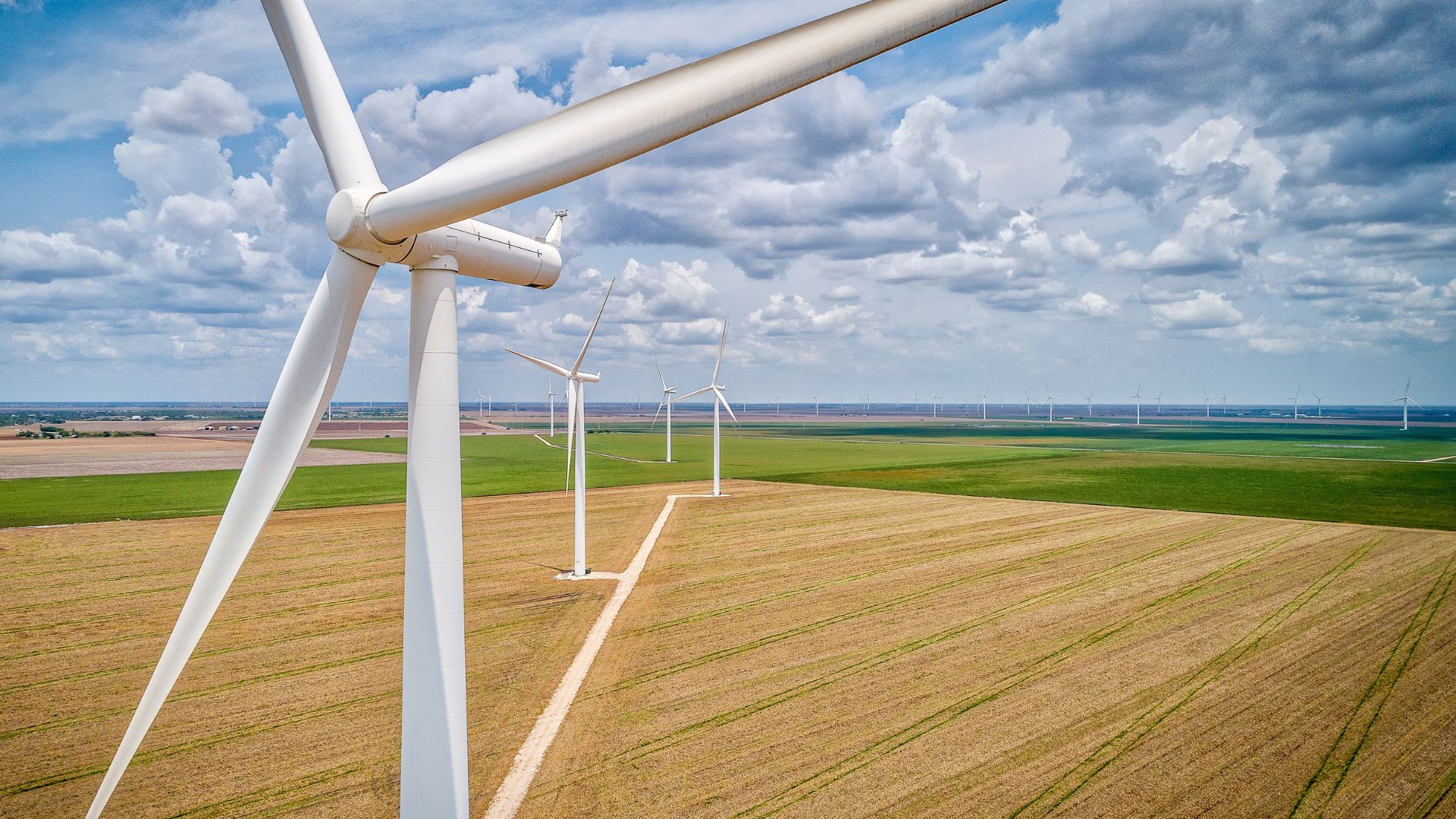
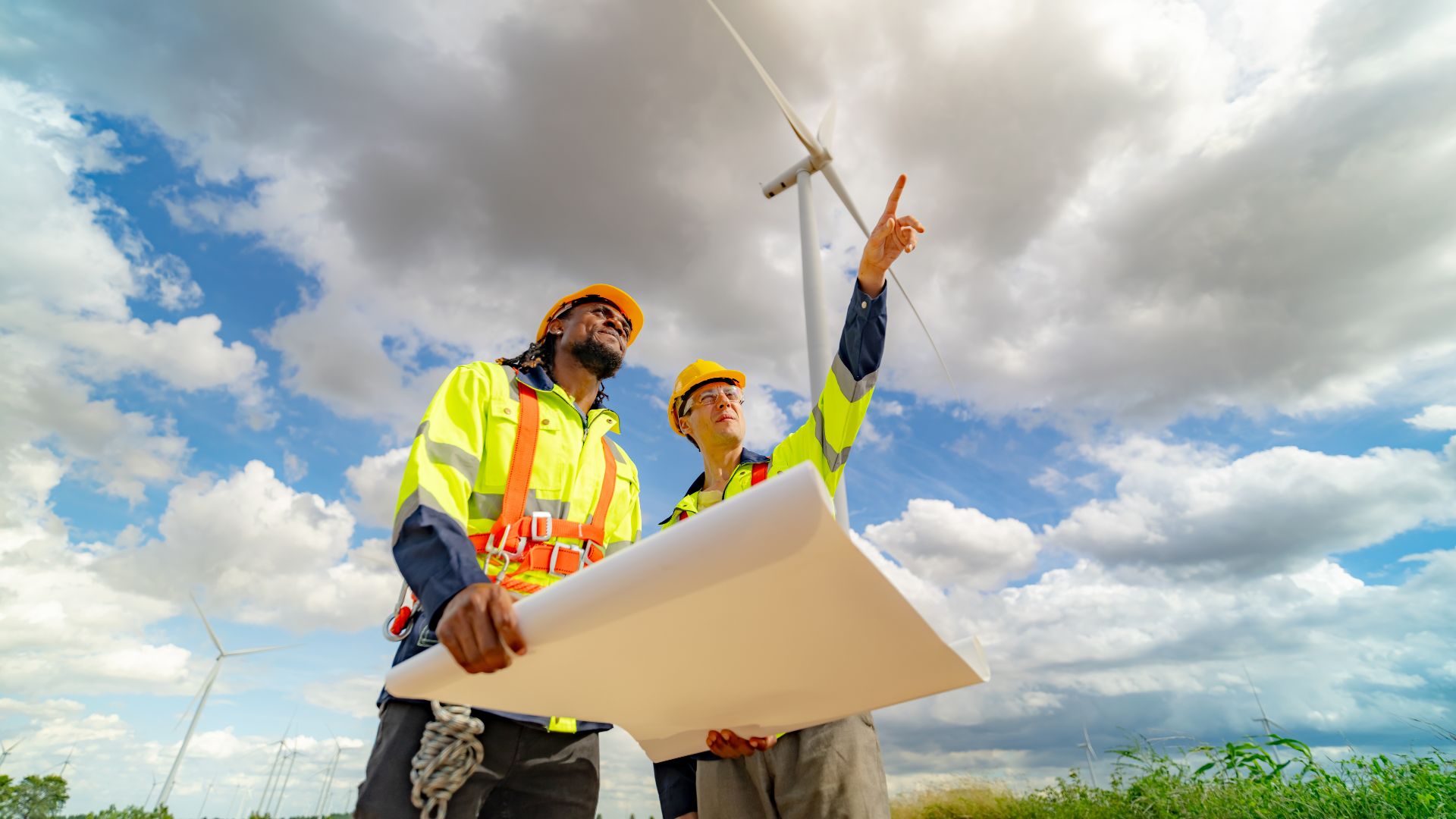
Wind energy is a huge economic driver in Iowa. It creates thousands of jobs, provides a predictable financial stream for farmers and is revitalizing rural communities across the Midwest. Wind energy is a clean, efficient and cost-effective part of America’s all-of-the-above energy strategy and helps ensure the nation’s energy dominance and independence. I’m grateful every day to be able to work on behalf of Iowans and Iowa wind energy in the United States Senate.

Latest news
Resources
Latest Video
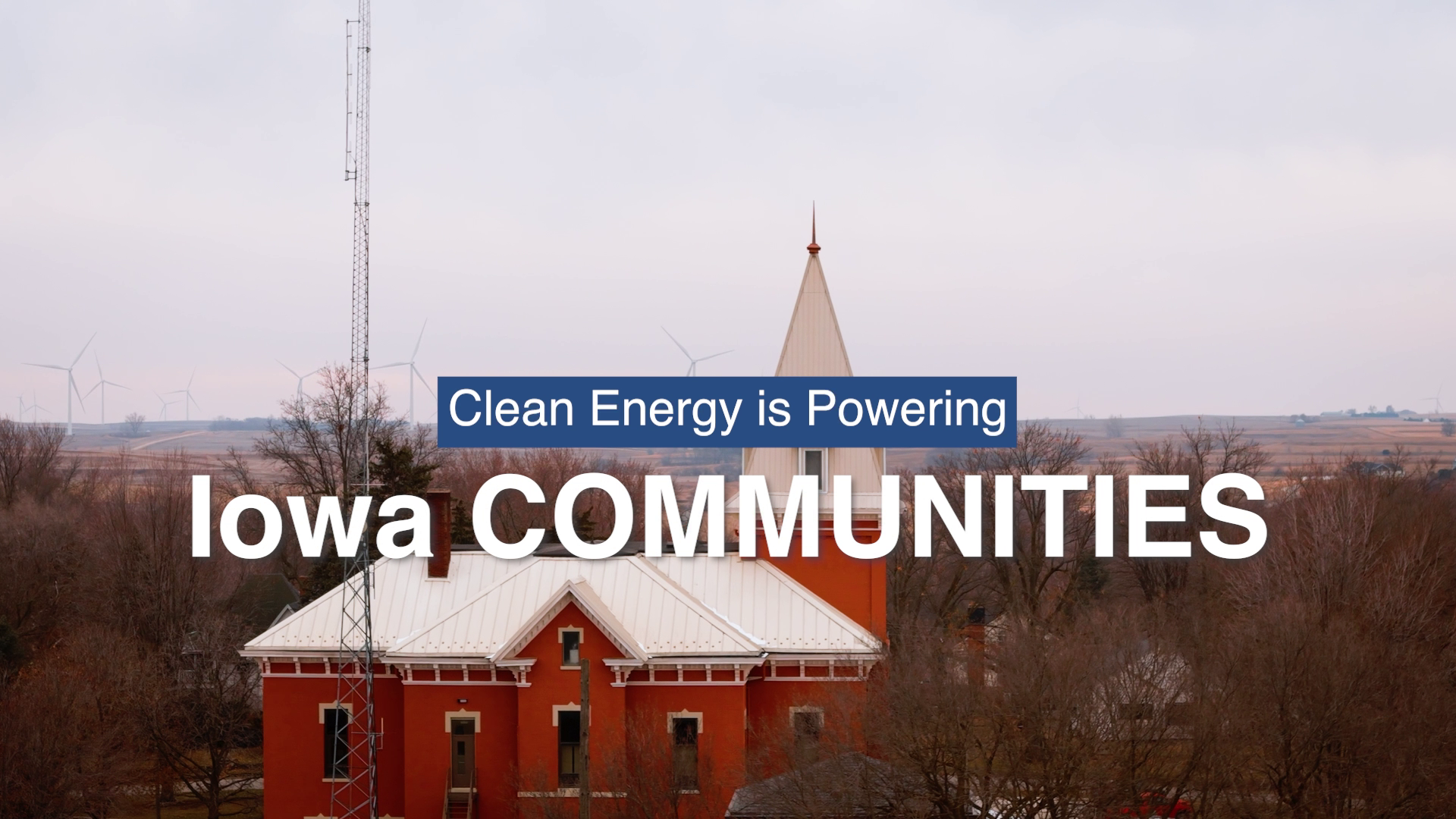

Power Up Iowa shows Iowa’s congressional delegation and the benefits of renewable energy, including jobs, investments, grid stability, and energy independence from Iowa Farmers.